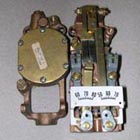
When a commercial HVAC system has been operating for years, finding the right replacement for a failed pneumatic thermostat isn’t always as simple as ordering a new part.
Many schools, hospitals, universities, government facilities, hotels, retirement communities, and other commercial buildings still rely on pneumatic temperature controls. When one of those controls begins to fail, facility managers may have several options: replace it with a new component, locate an obsolete replacement, or have the existing control professionally rebuilt.
For facilities looking to control costs while keeping an existing HVAC system operating, rebuilding can be a practical solution.
Edgemont Precision Rebuilders, Inc. (EPRI) has been rebuilding pneumatic controls since 1978, giving customers nationwide access to decades of temperature-control experience and product knowledge.
What Is a Pneumatic Thermostat?
A pneumatic thermostat is a component used in HVAC control systems to regulate temperature through air pressure rather than electrical signals.
Pneumatic thermostats can control devices such as pneumatic valves and damper actuators, helping regulate heating, ventilation, and air conditioning systems.
While many newer buildings use digital or direct digital controls, pneumatic HVAC systems remain in service in many existing commercial and institutional buildings.
That means maintaining and replacing pneumatic temperature controls continues to be an important consideration for facility managers and HVAC professionals.
Signs a Pneumatic Thermostat May Need Attention
A malfunctioning thermostat can affect the operation of an HVAC system in several ways.
Depending on the application, warning signs may include:
- Inconsistent room temperatures
- A thermostat that no longer responds properly to adjustments
- HVAC equipment that does not cycle as expected
- Difficulty maintaining the desired temperature
- Air pressure or control problems
- An older thermostat model that is difficult to replace
When a pneumatic thermostat is no longer operating properly, replacing the entire HVAC control system may not be necessary.
The first step is determining what component is actually needed and whether the existing control can be rebuilt.
Rebuilding Can Be an Alternative to Replacement
One of the advantages of rebuilding pneumatic controls is that it can allow a facility to continue using an existing HVAC control system.
EPRI rebuilds pneumatic thermostats from major manufacturers and offers both rebuilt and new options. Its product selection includes controls from manufacturers such as Honeywell, Johnson Controls, Robertshaw, Powers, and Schneider Electric/Barber-Colman.
For some older systems, finding an exact new replacement can be challenging. Rebuilding may provide another option while helping reduce the cost associated with replacing older temperature control components.
EPRI promotes savings of 40–60% using rebuilds on applicable controls, making rebuilding an option worth considering when maintaining older pneumatic HVAC systems.
What Types of Pneumatic Controls Can EPRI Rebuild?
EPRI specializes in rebuilding a variety of pneumatic temperature control components.
These include:
- Pneumatic thermostats
- Temperature controllers
- Pneumatic actuators
- Humidistats
- Other pneumatic HVAC control components
The company also supplies new factory-direct products for customers who need new rather than rebuilt controls.
This combination of rebuilt and new products gives facility managers and HVAC professionals more options when dealing with equipment that needs to be repaired or replaced.
What Happens During the Rebuilding Process?
Professional rebuilding is more involved than simply cleaning an old thermostat.
EPRI’s rebuilding process begins with an initial bench test. The control is then disassembled and inspected to identify defective or worn internal components.
Necessary parts are replaced before the control is reassembled and tested again.
The rebuilt unit is put through its operating paces to verify performance. If it does not meet expectations, the process is repeated and the unit is re-inspected.
Once the control passes testing, it is calibrated, packaged, labeled, date stamped, and prepared for shipment.
This process is designed to give customers a professionally rebuilt control rather than simply a cleaned or refurbished component.
What If the Thermostat Is Obsolete?
Obsolete HVAC controls can create a particular challenge for facility managers.
A building may still have a dependable pneumatic control system, but the exact thermostat model originally installed may no longer be readily available as a new product.
That does not necessarily mean the entire control system needs to be replaced.
EPRI maintains product knowledge across numerous manufacturers and models, including older pneumatic thermostats. Its website includes rebuilt and new controls from manufacturers such as Honeywell, Johnson Controls, Robertshaw, Powers, and Barber-Colman.
For example, EPRI offers rebuilt/exchange options for specific Johnson Controls, Honeywell, and Robertshaw pneumatic thermostat models.
That can be especially valuable when maintaining an older commercial HVAC system.
Rebuilt or New: Which Is Right for Your Facility?
The right choice depends on the specific control, application, availability, and condition of the existing equipment.
A new pneumatic thermostat may be the best option when the appropriate model is readily available and the application calls for a new component.
A rebuilt thermostat may make more sense when:
- The existing control is rebuildable
- The original model is difficult to find
- The facility wants to reduce replacement costs
- The existing pneumatic HVAC system is still functioning well
- A replacement component is available through an exchange program
EPRI offers both rebuilt/exchange and rebuilt-outright options on certain products, giving customers flexibility based on their specific needs.
Nationwide Support for Commercial HVAC Controls
Sourcing a replacement pneumatic thermostat or other HVAC control can be difficult when a facility is dealing with older equipment.
EPRI supplies new and rebuilt building controls to customers throughout the United States and serves a wide range of facilities, including schools, hospitals, universities, government buildings, VA medical centers, correctional facilities, hotels, churches, retirement communities, and property management firms.
EPRI also offers shipping options for rebuilt controls, including a product pickup service within the continental United States for customers who need assistance getting their controls to the rebuilding facility.
Experience Matters When Rebuilding Pneumatic Controls
With EPRI serving the temperature control industry since 1978, the company brings over 40 years of experience to the rebuilding process.
That experience can be especially valuable when dealing with older pneumatic HVAC systems, obsolete thermostat models, or controls that are difficult to identify.
Instead of assuming that an aging pneumatic control must simply be replaced, facility managers can explore whether rebuilding is a practical alternative.
The combination of rebuilding expertise, manufacturer knowledge, new product availability, and nationwide service gives customers another resource for maintaining existing commercial HVAC control systems.
Need Help Finding the Right Pneumatic Control?
If your facility has an older pneumatic thermostat, actuator, controller, or humidistat that is no longer performing properly, replacement may not be your only option.
A professional evaluation can help determine whether rebuilding is appropriate for the specific control.
EPRI provides rebuilt and new pneumatic temperature controls for customers nationwide, including thermostats, actuators, controllers, humidistats, and other building control products.
With over 40 years of experience serving the temperature control industry since 1978, EPRI can help you explore practical options for maintaining your existing HVAC control system.
Need a pneumatic thermostat rebuilt or replaced? Contact EPRI at 800-356-3774 to discuss your control requirements.